Exploring the realm of cloud security for nonprofits, this guide delves into the importance of safeguarding data, preventing potential risks, and implementing cost-effective solutions. With a focus on empowering nonprofits to protect their sensitive information, this narrative aims to equip readers with actionable insights and best practices.
In the subsequent sections, we will navigate through various aspects of cloud security for nonprofits, shedding light on the key considerations and strategies for ensuring a secure digital environment.
Importance of Cloud Security for Nonprofits
Cloud security is essential for nonprofits as they deal with sensitive data and information that must be protected from cyber threats. Without proper security measures in place, nonprofits are at risk of facing various challenges that can hinder their operations and reputation.
Potential Risks Faced by Nonprofits
- Inadequate Data Protection: Nonprofits store a vast amount of donor information, financial records, and other sensitive data. Without proper cloud security, this data is vulnerable to theft or unauthorized access.
- Phishing Attacks: Nonprofit employees may fall victim to phishing emails, leading to compromised login credentials and potential data breaches.
- Ransomware Threats: Nonprofits can be targeted by ransomware attacks, where cybercriminals encrypt data and demand payment for its release, disrupting operations and causing financial losses.
Impact of a Security Breach on Nonprofit Organizations
Security breaches can have devastating consequences for nonprofits, including:
- Loss of Trust: A security breach can erode the trust of donors, volunteers, and stakeholders, leading to a decline in support and donations.
- Financial Losses: Nonprofits may incur significant financial losses due to data breaches, legal fees, and expenses related to remediation efforts.
- Reputational Damage: A security breach can tarnish the reputation of a nonprofit organization, affecting its credibility and standing in the community.
Implementing Cloud Security Measures
When it comes to implementing cloud security measures for nonprofits, there are several key steps that organizations can take to enhance their cybersecurity protocols and protect sensitive data.
Common Cloud Security Measures for Nonprofits:
- Implement Multi-Factor Authentication (MFA): Require users to provide multiple forms of identification before accessing sensitive information, adding an extra layer of security.
- Encrypt Data: Utilize encryption techniques to safeguard data both in transit and at rest, ensuring that even if data is intercepted, it remains protected.
- Regularly Update Software: Stay current with software updates and patches to address any vulnerabilities that could be exploited by cyber threats.
- Perform Regular Security Audits: Conduct periodic security audits to identify any weaknesses in the system and address them promptly.
Comparison of Cloud Security Solutions:
Nonprofits can choose from a variety of cloud security solutions, each offering different features and levels of protection. It’s essential to evaluate these solutions based on factors such as cost, scalability, and ease of implementation to find the best fit for the organization’s needs.
Best Practices for Integrating Cloud Security:
- Establish Security Policies: Develop clear security policies and procedures for employees to follow when accessing and handling sensitive data.
- Provide Training: Offer regular cybersecurity training to staff members to increase awareness of potential threats and best practices for mitigating risks.
- Monitor Activity: Keep a close eye on user activity within the cloud environment to detect any suspicious behavior or unauthorized access in real-time.
- Backup Data: Implement regular data backups to ensure that critical information can be restored in the event of a security breach or data loss.
Cost-Effective Cloud Security Solutions
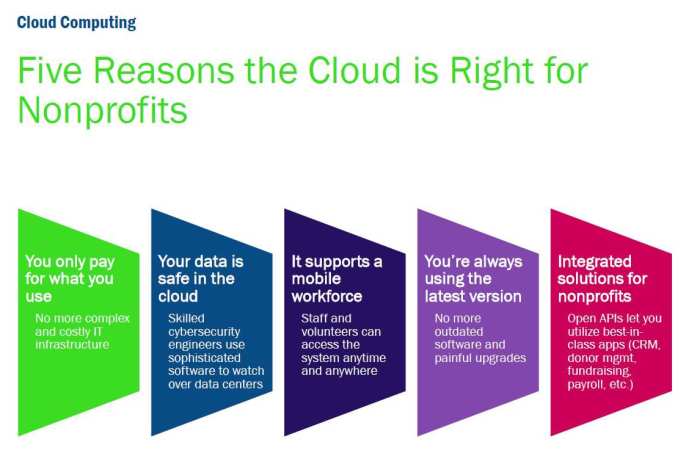
In today’s digital age, data security is of utmost importance, especially for nonprofits that handle sensitive information. However, implementing robust cloud security measures can often come with a hefty price tag. Fortunately, there are cost-effective solutions available that nonprofits can leverage to ensure data protection without breaking the bank.
Affordable Cloud Security Solutions
- Utilize Open-Source Security Tools: Nonprofits can take advantage of open-source security tools that are available for free or at a minimal cost. These tools offer essential security features such as encryption, access control, and monitoring.
- Cloud Security Providers: Look for cloud security providers that offer tailored solutions for nonprofits at discounted rates. Many providers offer special pricing for nonprofit organizations to help them secure their data effectively.
- Implement Multi-Factor Authentication (MFA): MFA adds an extra layer of security to user accounts and is often available as a cost-effective solution. By requiring multiple forms of verification, nonprofits can significantly reduce the risk of unauthorized access.
Leveraging Cost-Effective Security Measures
- Regular Security Audits: Conducting regular security audits can help nonprofits identify vulnerabilities and address them before they turn into security breaches. This proactive approach can save organizations money in the long run by preventing costly data breaches.
- Employee Training: Investing in cybersecurity awareness training for employees can be a cost-effective way to enhance data security. Educating staff on best practices for handling sensitive information can significantly reduce the risk of human error leading to security incidents.
- Cloud Backup Solutions: Implementing cloud backup solutions can be a cost-effective way to ensure data recovery in case of a security incident. By backing up data to the cloud, nonprofits can protect their information from loss or corruption without investing in expensive infrastructure.
Budgeting for Cloud Security
- Allocate Specific Funds: Set aside a dedicated budget for cloud security within the nonprofit organization. By prioritizing security spending, nonprofits can ensure that adequate resources are allocated to protect sensitive data effectively.
- Consider Total Cost of Ownership: When evaluating cloud security solutions, consider the total cost of ownership, including implementation, maintenance, and training expenses. Opt for solutions that offer long-term value and scalability to maximize cost-effectiveness.
- Seek Grants and Donations: Nonprofits can explore opportunities for grants and donations specifically earmarked for cybersecurity initiatives. By leveraging external funding sources, organizations can enhance their security posture without straining their internal budget.
Training and Education on Cloud Security
Training and education on cloud security are crucial aspects for nonprofits to ensure the safety of their data and systems. By implementing a comprehensive training program, nonprofit staff can enhance their awareness of cloud security best practices, ultimately contributing to a more secure cloud environment.
Designing a Training Program
- Develop tailored training modules focusing on the basics of cloud security, data protection, and secure practices.
- Include interactive elements such as simulations, quizzes, and real-life scenarios to engage staff and reinforce learning.
- Provide regular updates and refresher courses to keep employees informed about the latest security threats and measures.
Importance of Ongoing Education
- Continuous training is essential to adapt to evolving cybersecurity landscape and emerging threats.
- Empower staff to recognize and respond to potential security risks, reducing the likelihood of breaches or data loss.
- Encourage a culture of security awareness and accountability among employees at all levels of the organization.
Resources and Tools for Education
- Utilize online courses, webinars, and workshops provided by reputable cybersecurity organizations.
- Implement security awareness training platforms that offer interactive modules and progress tracking.
- Engage in information sharing and collaboration with other nonprofits to learn from their experiences and best practices.
Closure
In conclusion, understanding how nonprofits can leverage cloud security is paramount in today’s digital landscape. By embracing effective security measures, organizations can mitigate risks, protect valuable data, and uphold trust with stakeholders. As technology continues to evolve, staying informed and proactive in enhancing cloud security will be instrumental for the long-term success of nonprofits.
FAQ Insights
What are some common risks nonprofits face without proper cloud security measures?
Without adequate cloud security, nonprofits are vulnerable to data breaches, unauthorized access to sensitive information, and potential loss of donor trust. Implementing robust security measures is crucial to safeguarding organizational data and maintaining credibility.
How can nonprofits ensure cost-effective cloud security solutions?
Nonprofits can leverage open-source security tools, opt for cloud service providers offering discounted rates for nonprofits, and prioritize essential security measures over unnecessary expenses. By conducting thorough research and strategic budgeting, organizations can achieve effective cloud security without breaking the bank.


![5 Best eCommerce Marketing Digital Agencies [2024 Edition]](https://legal.goodstats.id/wp-content/uploads/2025/11/Best-E-Commerce-Marketing-Agencies-2048x1024-1-120x86.jpg)