
Embarking on the realm of Digital ID Security for Financial Firms, we delve into the critical aspects that ensure the protection of sensitive information in the financial industry. As technology advances, so do the risks, making it imperative for firms to fortify their digital defenses to safeguard against potential threats.
Exploring the significance of robust security measures and best practices is essential in maintaining trust and integrity within the financial ecosystem.
Importance of Digital ID Security for Financial Firms
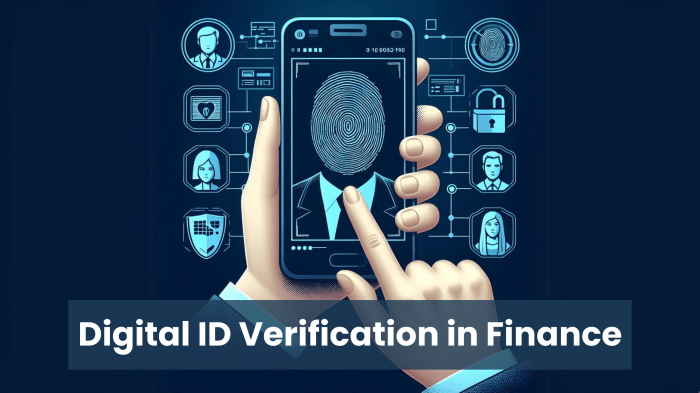
Ensuring robust digital ID security is paramount for financial firms to protect sensitive information, prevent fraudulent activities, and maintain the trust of their clients.
Potential Risks of Inadequate Digital ID Security
-
Data Breaches:
Inadequate digital ID security can result in data breaches, exposing confidential information such as personal details, account numbers, and transaction history.
-
Identity Theft:
Cybercriminals can use compromised digital IDs to impersonate clients, leading to identity theft and financial fraud.
-
Financial Loss:
A breach in digital ID security can result in financial loss for both the firm and its clients, impacting their financial stability and reputation.
Impact of Data Breaches on Financial Firms and Clients
-
Reputation Damage:
Data breaches can tarnish the reputation of financial firms, eroding client trust and loyalty.
-
Legal Consequences:
Financial firms may face legal repercussions for failing to protect client data adequately, leading to fines and penalties.
-
Client Trust:
Clients may lose confidence in the firm’s ability to safeguard their information, resulting in a loss of business and revenue.
Best Practices for Implementing Digital ID Security
Implementing robust digital ID security measures is crucial for financial firms to protect sensitive data and prevent unauthorized access. Below are key strategies that financial firms can utilize to enhance their digital ID security:
Role of Encryption in Securing Digital Identities
Encryption plays a vital role in safeguarding digital identities by converting data into a coded format that can only be accessed with the appropriate decryption key. Utilizing strong encryption algorithms ensures that sensitive information remains confidential and secure from cyber threats.
Importance of Multi-Factor Authentication for Verifying Identities
Multi-factor authentication (MFA) is a powerful tool for verifying the identities of users accessing financial systems. By requiring multiple forms of verification such as passwords, biometrics, or security tokens, MFA adds an extra layer of security beyond just usernames and passwords.
This significantly reduces the risk of unauthorized access and enhances overall digital ID security.
Compliance and Regulatory Requirements
Financial firms are subject to various regulatory frameworks that govern the implementation of digital ID security measures to protect sensitive customer information and prevent fraudulent activities. Non-compliance with these regulations can result in severe consequences, including hefty fines, reputational damage, and legal actions.
Major Regulatory Bodies
- The Financial Industry Regulatory Authority (FINRA): FINRA oversees securities firms and brokers to ensure compliance with regulations related to digital ID security.
- The Securities and Exchange Commission (SEC): The SEC regulates the securities industry and plays a crucial role in enforcing digital ID security standards to safeguard investors.
- The Federal Financial Institutions Examination Council (FFIEC): The FFIEC provides guidance on cybersecurity and digital ID security for financial institutions to mitigate risks and protect customer data.
Emerging Technologies and Innovations in Digital ID Security
Digital identity security in financial firms is constantly evolving, with emerging technologies playing a crucial role in enhancing security measures. Let’s delve into the latest advancements shaping digital ID security in the financial sector.
Role of Biometrics in Digital Identity Verification
Biometrics, such as fingerprint scanning, facial recognition, and iris detection, are revolutionizing digital identity verification. By using unique biological characteristics, financial firms can ensure a more secure and convenient authentication process for their clients. Biometric authentication adds an extra layer of security, making it harder for unauthorized users to access sensitive information.
Blockchain Technology for Enhanced Security
Blockchain technology is another game-changer in digital ID security for financial firms. Its decentralized and immutable nature makes it ideal for securely storing and managing digital identities. By leveraging blockchain technology, financial institutions can enhance data protection, reduce the risk of identity theft, and increase trust among customers.
The transparency and tamper-proof nature of blockchain make it a powerful tool for ensuring the integrity of digital identities.
AI-Powered Solutions for Fraud Detection
Artificial Intelligence (AI) is increasingly being used to detect and prevent fraudulent activities in digital ID security. AI algorithms can analyze vast amounts of data in real-time, identifying unusual patterns and anomalies that may indicate fraudulent behavior. By implementing AI-powered solutions, financial firms can strengthen their fraud detection capabilities and proactively safeguard their customers’ digital identities.
Leveraging Emerging Technologies for Stronger Security
Financial firms can take advantage of these emerging technologies to create a multi-layered approach to digital ID security. By combining biometrics, blockchain, and AI-driven solutions, organizations can establish a robust security framework that protects against evolving cyber threats. Investing in these innovative technologies not only enhances security but also improves the overall customer experience by providing secure and seamless digital interactions.
Closure
In conclusion, Digital ID Security stands as a cornerstone in the financial landscape, demanding continuous vigilance and adaptation to combat evolving cyber threats. By adhering to regulatory requirements, implementing cutting-edge technologies, and fostering a culture of security, financial firms can navigate the digital realm with confidence and resilience.
Helpful Answers
What are the potential risks of inadequate digital ID security for financial firms?
Inadequate security measures can lead to unauthorized access to sensitive data, financial fraud, reputational damage, and regulatory penalties. It can also expose clients to identity theft and privacy breaches.
How can financial firms enhance digital ID security through encryption?
Encryption helps in securing data by converting it into a code that can only be decrypted with the correct key. Implementing strong encryption protocols ensures that sensitive information remains protected from unauthorized access.
What are the implications of non-compliance with digital ID security regulations?
Non-compliance with regulations can result in hefty fines, legal consequences, loss of customer trust, and potential business disruptions. It’s crucial for financial firms to stay updated and adhere to the established security standards.


![5 Best eCommerce Marketing Digital Agencies [2024 Edition]](https://legal.goodstats.id/wp-content/uploads/2025/11/Best-E-Commerce-Marketing-Agencies-2048x1024-1-120x86.jpg)